
In today’s interconnected world, elementary classrooms are not just places to learn academic content but powerful spaces for fostering empathy, critical thinking, and social change. Educators can amplify the dreams and needs of all students by integrating collaborative writing focused on advocacy. This approach enriches writing skills and cultivates a sense of purpose and agency in young learners. It allows students to see themselves in the books they read and the material they write.
Why Advocacy Through Collaborative Writing?
Advocacy writing invites students to use their voices to make a difference. In elementary classrooms, this means empowering students to identify issues they care about and work together to craft messages that inspire action. Often, elementary students feel invisible. Their teenage counterparts explore more complex issues, while they remain stuck in their collective innocence. Frustration begins earlier than we think, as students become increasingly aware of cultural and community issues without an outlet or way to express their voices.
Anxiety plays a crucial role in all students, regardless of age, but presents itself differently. Stomach aches, frequent nurse visits, and absences are symptomatic of anxiety in the classroom.
In the Edutopia article “Teaching Advocacy in Your Classroom,” Katie Schellenberg discusses how arguments and discussions will continue to spark a young child’s curiosity while preparing them for the real world. (https://www.edutopia.org/discussion/teaching-advocacy-your-classroom)
Collaborative writing fosters teamwork, builds communication skills, and emphasizes that change is most impactful when it is community-driven. It alleviates the high pressure from the learning and allows students to focus on what they want to say.
When students collaborate on advocacy projects, they learn to:
- Understand and respect diverse perspectives.
- Recognize the power of their voices in addressing community needs.
- Connect their learning to real-world issues, making education meaningful and relevant.
Bringing Advocacy Writing into the Elementary Classroom
Inside our elementary curricula are spaces and places where advocacy is introduced. Taking some small steps to help students understand the process and ways they can write about those issues further improves their ability to communicate effectively. Here’s how teachers can introduce and scaffold advocacy-focused collaborative writing in elementary classrooms:
1. Start with Stories
Begin by sharing age-appropriate stories or articles about young changemakers from diverse backgrounds. For example, read about Malala Yousafzai’s advocacy for education or a local student-led initiative. Discuss how these individuals used their voices to inspire change. Encourage students to reflect on issues that matter to them—from playground fairness to environmental concerns.
Activity Idea: Create a “Dream Wall” classroom where students post their dreams for their school, community, or world. Use these dreams as a starting point for writing projects.
2. Analyze Models of Advocacy Writing
Introduce students to examples of advocacy writing, such as letters to local officials, opinion pieces in children’s magazines, or campaign posters. Discuss the features of effective advocacy writing, including clear messaging, emotional appeal, and a call to action.
Activity Idea: In small groups, have students analyze a sample letter or flyer, identifying its key components. Use graphic organizers to help them break down how the writing advocates for change.
Global Changemakers
- Malala Yousafzai – Advocate for girls’ education and the youngest Nobel Peace Prize laureate.
- Greta Thunberg – Environmental activist inspiring global action on climate change.
- Nelson Mandela – Champion of racial equality and peace in South Africa.
- Wangari Maathai – Founder of the Green Belt Movement, promoting environmental conservation and women’s rights.
Youth Changemakers
- Mari Copeny (Little Miss Flint) – Advocates for clean water in Flint, Michigan, and beyond.
- Autumn Peltier – An Indigenous water protector from Canada advocating for clean water rights.
- Haaziq Kazi – an Indian teen who designed a ship concept to clean the ocean plastics.
- Naomi Wadler – Advocate for gun control and awareness of violence against Black women.
Literary Changemakers
- Maya Angelou – Poet and activist whose work championed equality and justice.
- Amanda Gorman – Youngest poet laureate who spoke at President Biden’s Inauguration and has written several poetry books.
- Jacqueline Woodson – Writes stories that amplify the voices of marginalized communities. She is the author of Each Kindness.
- Malorie Blackman – British author who tackles racism and inequality in her works for children and teens.
3. Collaborative Brainstorming and Writing
Collaboration while brainstorming is a crucial and effective aspect of the writing process. This is a low-pressure strategy aimed at harnessing the power of its effectiveness to help even the most timid student. Guide students in selecting a community issue to address. Facilitate group brainstorming sessions where students discuss their ideas and decide on a specific message or solution. Place a poster as a mat to write down thoughts, quotes, and ideas about their issue. Allow students to talk, argue, and explain their viewpoints. Assign roles within groups, such as researchers, writers, and illustrators, to ensure every student contributes.
Activity Idea: Use shared writing sessions where the teacher acts as a scribe, modeling how to structure a persuasive letter or an advocacy statement. Gradually shift responsibility to students as they grow confident in their writing skills.
4. Scaffold Projects with Mini-Lessons
Incorporate mini-lessons on persuasive techniques, organizing ideas, and revising collaboratively. Teach students how to:
- Use an “I statement” to express personal connections to the issue.
- Support their arguments with facts or examples.
- Create compelling calls to action.
Activity Idea: Practice crafting strong opening sentences as a class. Share and celebrate compelling examples.
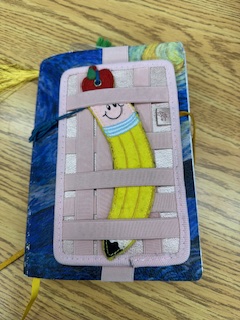
5. Use Journals to Build Self-Esteem
Journals can be a powerful tool for helping students build self-esteem while engaging in advocacy writing. Encourage students to reflect on their strengths, accomplishments, and the positive impact they hope to make.
Activity Idea: Introduce prompts like:
- “What is something you’re proud of that could inspire others?”
- “Write about a time you helped someone. How did it make you feel?”
- “What is one change you would like to see in the world, and how can you contribute to it?”
As students share their journal entries, they can connect their personal reflections to their advocacy work, reinforcing a sense of capability and value.
6. Share Writing with Authentic Audiences
Give students a platform to share their work with the broader community. Whether they present to school administrators, send letters to local leaders, or publish in a school newsletter, authentic audiences amplify the impact of their advocacy.
Activity Idea: Host a “Changemaker Showcase” where students present their advocacy projects to families and community members. Include a “Next Steps” station where attendees can sign petitions or pledge support for the students’ causes.
Outcomes of Advocacy Writing
When students engage in collaborative advocacy writing, they develop the following:
- Empathy: Understanding diverse experiences and perspectives.
- Agency: Realizing their potential to effect change.
- Writing Skills: Crafting purposeful and persuasive texts.
- Community Connections: Building relationships with peers and local stakeholders.
- Self-Esteem: Recognizing their own strengths and contributions through reflective journaling.
More importantly, students learn that their voices matter—a lesson that will resonate throughout their lives. Advocacy writing is not just an academic exercise; it’s a pathway to creating a more equitable and compassionate world.
Dreaming Big Together
As educators, we have the privilege and responsibility to nurture the dreams of our students and the communities they represent. Through collaborative advocacy writing, we amplify unheard voices and empower the next generation to dream boldly and take courageous action. Together, we can build classrooms where writing becomes a tool for transformation and hope.
Teaching with Temprano is an Educational Consulting company whose sole purpose is to collaborate, educate, inspire, and provide real-world ELA strategies and lessons that you can use with your students tomorrow. Districts that wish to hire me for PLCs or PD workshops, email me at teachingwithtemprano@gmail.com

 Teaching with Temprano
Wonderful ♥️
LikeLike
Thank you! I am glad this resonated with you and our students.
LikeLike