
Posted in Teaching with Temprano

Why Annotation Matters

Helping Young Readers Think Critically and Love Reading


This weekend, as I spoke to one of my book friends on Instagram messenger, it occurred to us that not everyone understands how to annotate or recognizes it as a way to think critically or have fun with the book you are reading. As Beth Kempton says, this blog post flowed from me “like spilling ink.”

When we think about becoming better readers, we often imagine spending hours with highlighters and sticky notes, marking up pages of text until they’re practically unreadable. But annotation isn’t just for college students or literary critics. It’s an essential skill that can transform how young readers in grades 3-5 engage with texts—helping them think critically while still savoring the joy of reading. It could be simple or complicated. It is up to the reader.

Annotation, at its heart, is about making a conversation between the reader and the text. It’s a way to actively engage with words on a page, to question, wonder, and connect. For young students, this practice builds not only comprehension but also confidence. Here’s why annotation matters and how we can guide our students to use it effectively.

Why Annotation Matters for Young Readers

  1. Active Engagement: When students annotate, they actively engage with the text, making it more meaningful. Instead of merely absorbing information or passively reading, students are encouraged to pause, think, and interact with the text. This deepens their understanding and makes reading a fun exercise rather than a required task.
  2. Critical Thinking: Annotation promotes critical thinking by asking students to underline key details, circle unfamiliar words, or jot down questions. Students begin noticing patterns, themes, and relationships within the text, preparing them for more advanced analytical skills later. Most standardized tests postulate they assess thinking, but they assess a student’s ability to analyze the text they read. Annotation allows students of all levels to actively and critically think about their reading content.
  3. Retention and Recall: Annotating helps students remember what they read. Highlighting main ideas, writing quick summaries in the margins, or drawing connections to prior knowledge makes revisiting and recalling information easier
  4. Joyful Discovery: When done right, annotation can enhance the reading experience. It’s not about “messing up” the book; it’s about uncovering layers of meaning and creating a personalized journey through the story.

Making Annotation Accessible for Grades 3-5

Younger students need guidance to see annotation as a helpful and enjoyable tool to help them understand the text they read. Here are some strategies to get them started:

1. Simple Symbols

Introduce students to basic annotation symbols and tools, such as:

  • Underlining: Important ideas, phrases, or captions under pictures.
  • Circling: New or interesting vocabulary words or words they like hearing.
  • Stars: Favorite parts or surprising moments that happen to the characters.
  • Question Marks: Parts they find confusing or want to learn more about. These visual cues make annotation manageable and fun, especially for younger readers.

2. Model the Process

Read a passage aloud and annotate it in real-time, explaining your thinking. Modeling helps all students regardless of their level of academic performance. For example:

  • “I’m underlining this sentence because it tells me about the character’s main problem.”
  • “I’m circling this word because I’ve never seen it before. Let’s look it up together.” Seeing annotation modeled helps students understand its purpose and how to apply it.

3. Make It Purposeful

Tie annotation to specific reading goals. For instance:

  • Analyzing Characters: Highlight traits, actions, or dialogue that reveal a character’s personality.
  • Identifying Theme: Circle clues that hint at the author’s message.
  • Summarizing Key Ideas: Jot down a quick sentence in the margins about what happened in a section. Purpose-driven annotation helps students focus on meaningful details rather than marking everything.

4. Use Annotation Prompts

Provide prompts to guide their thinking. Questions like:

  • What surprised you about that event or character action?
  • What does this remind you of?
  • Why do you think the author included this? These prompts encourage curiosity and help students dig deeper without feeling overwhelmed.

5. Incorporate Technology

Students reading digitally can use built-in annotation tools to highlight, add notes or tag sections. Digital annotation can be incredibly engaging for tech-savvy young readers.

6. When Writing on the Text Isn’t an Option

Not all reading materials, such as library books or shared classroom texts, allow direct annotation. In these cases, teach students to use their notebooks as an annotation tool. They can:

  • Write down key lines or sentences they find interesting or important.
  • Use headings or page numbers to organize their notes for easy reference.
  • Add personal reflections, questions, or summaries for each section of the text. This approach ensures students can still interact with the material without marking the original text. (This could be done in a book club or a writing group conversation style.)

Balancing Annotation with Joy

The key to making annotation work for young readers is balance. We don’t want annotation to feel like a chore that takes the fun out of reading. Here’s how to maintain the joy:

  • Focus on the Big Picture: Remind students that the goal is to understand better and enjoy the story, not to mark up every page or write every sentence.
  • Celebrate Personal Connections: Encourage students to jot down how a part of the story makes them feel or what it reminds them of from their lives. This process will help the students write effectively after the reading is completed.
  • Keep It Flexible: Let students choose their annotation style as they gain confidence. Some may prefer drawing symbols, while others might write short notes. (Start with the sentences, then add symbols.)

Closing Thoughts

Annotation is more than a reading strategy; it’s a doorway to deeper thinking, stronger comprehension, and greater enjoyment of texts. By teaching our students to annotate thoughtfully and purposefully, we help them become readers who understand what they read and engage with it meaningfully.
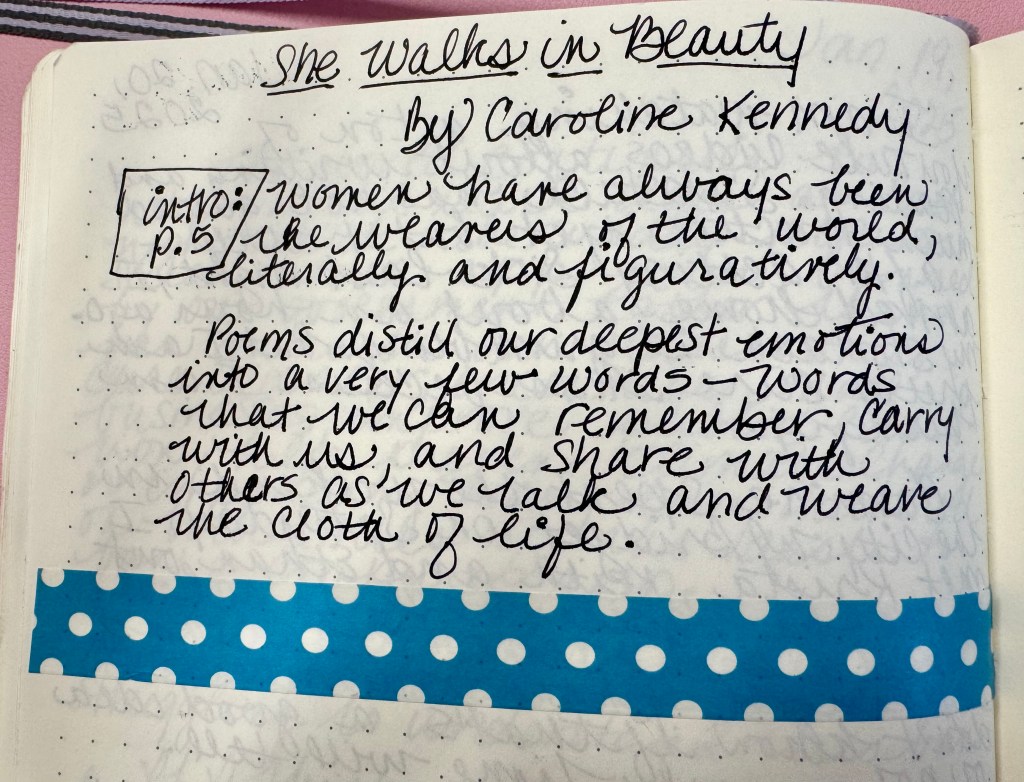
As evidenced by the picture of my notebook above, annotating does not have to be complicated or time-consuming. It can be fun and reveal a creative side of yourself you didn’t realize was there.

So, let’s hand our students a pencil, some sticky notes, or a digital highlighter and invite them to start a conversation with the text. Together, we can help them light up their reading lives—one thoughtful note at a time.

Teaching with Temprano is an Educational Consulting company whose sole purpose is to collaborate, educate, inspire, and provide real-world ELA strategies and lessons you could use tomorrow with your students. Districts that wish to hire me for PLCs or PD workshops email me at teachingwithtemprano@gmail.com

Posted in Teaching with Temprano

Making Annotation Work in the Writing and Reading Classroom

Annotation can be a game-changer in retaining and understanding complex texts. Research indicates that active reading strategies like annotation can boost retention by up to 50% compared to passive reading. But why is this so effective? Its effectiveness lies in the analysis that occurs. Annotating pushes readers to engage deeply, analyze critically, and connect ideas in a way that plain reading does not. For struggling readers and writers, it breaks down the topic into bite-sized pieces. Let me show you a pathway to a classroom-friendly approach toward annotation and share how it could transform learning experiences for students and adults alike.

Why Annotation Matters

Annotation is more than just underlining or highlighting. It’s an active, intentional process involving marking important points, making notes in the margins, or even sketching thoughts. Here are a few key benefits:

  1. Increased Engagement: By marking significant points, readers become active participants in the reading process, not just passive observers. Educators are always looking for ways for students to actively read a complex text and write an effective and comprehensive response. This will help struggling readers and writers to write effectively.
  2. Improved Understanding: Annotation encourages readers to break down complex ideas and clarify challenging concepts.
  3. Enhanced Recall: Annotation involves multiple senses—reading, writing, and reflecting—which can significantly boost memory retention.

Overcoming the Challenge of Annotation

Annotating complex text has presented a challenge throughout my career as a student, teacher, and lifelong learner. Questions kept cropping up in my mind while I was reading:

What’s essential?

What do I need to remember?

Can I mark something just because I find it interesting?

With experience and through exploring strategies from various experts, I’ve honed an approach that works for everyone—students and adults alike. It is simple and yet encompasses complex ideas and helps students to understand the texts.

Step-by-Step: An Annotation Strategy that Works

Here’s a practical method that encourages deeper engagement and reflection, either in groups or individually.

  1. First, Read the Text: Start by reading the text without any annotations to get a sense of the overall message and flow. Students read on their own or in a small group, depending on their reading level and age.
  2. Mark What Stands Out: During a second read, highlight or underline sentences or paragraphs that resonate—new facts, interesting ideas, or anything inspiring.
  3. Extract and Isolate Key Lines: Write down these lines on paper or type them into a document. Print and cut out each line or paragraph individually for a hands-on twist. Younger students or any student that enjoys color, should make the lines in a different color. This also applies to adults who are creative or are using a journal regularly.
  4. Group Discussion and Categorization:
    • In a classroom setting or with a writing group, gather in small groups of 4–5 people.
    • Each participant shares their selected lines with the group. One group member arranges these lines by emerging themes, grouping them as they relate to key ideas in the text.
    • Together, decide on the most fitting themes and arrange the lines accordingly. This is a group effort and all should be involved in the process.
  5. Create a Visual Organizer:
    • In classrooms, organize these themes and lines on poster paper, labeling them with the book’s title or text.
    • For adults, organize them on a large sheet or by color-coded themes. If working alone, you can still do this on a smaller scale, using a one-pager format. ( If you are unfamiliar with One-Pagers, please read the blog post by The Cult of Pedagogy, or Now Spark Creativity.)

Why This Method Works

The result of this activity is a visual, one-page summary that describes the themes and ideas of the text in a clear and concise format. In classrooms, this format allows students to reflect, synthesize, and even debate interpretations with others, reinforcing their understanding of complex texts. Most states require this in their standards, and this strategy makes these complex skills seem simple. Adults often use this method as a springboard for deeper writing, like creating summaries, articles, or blog posts based on their annotations.

Annotation can transform a complex reading experience into one of rich reflection and discussion, leading to enhanced comprehension and retention of the material presented. With a few practical steps, any reader—student or adult—can make annotating a rewarding habit that brings both text and ideas to life.

Interested in learning more about using this annotation strategy in your classroom? Reach out, and let’s collaborate to inspire and elevate student learning together through PLCs or PD Workshops, Training, and Modeling.

Teaching with Temprano is an Educational Consulting company whose sole purpose is to collaborate, educate, inspire, and provide real-world ELA strategies and lessons you could use tomorrow with your students. Districts that wish to hire me for PLCs or PD workshops, email me at teachingwithtemprano@gmail.com

Posted in Teaching with Temprano

Why the RACE Strategy Falls Short—and How Reading Squares Can Take Your Students Further

As educators, we know that teaching students to write effectively about texts is a foundational skill. For many, the RACE strategy (Restate, Answer, Cite Evidence, Explain) has been a reliable tool for getting students started. It provides a clear, structured approach that helps students organize their thoughts, especially those who may struggle with the basics of writing.

However, as we push our students to engage with more complex texts and ideas, we often find that the RACE strategy falls short. It may work well for younger or less experienced writers, but when we ask students to think critically and explore deeper meaning in literature or non-fiction, the formula can feel limiting.

The Limitations of RACE

1. Oversimplification:
RACE’s formulaic nature can lead to repetitive, shallow writing. Students follow the rigid structure, restating the question and offering a basic answer, but it doesn’t encourage them to dive deeper into analysis or construct more complex arguments. Advanced students need room to explore and synthesize ideas, not just summarize them.

2. Limited Critical Thinking:
The “Explain” step in RACE often doesn’t push students far enough. It may prompt a basic explanation of evidence but rarely requires students to fully justify their thinking or connect that evidence to larger themes. Without encouraging deeper reflection, students’ responses can lack depth and fail to engage with the more nuanced aspects of a text.

3. Not Suitable for Complex Texts:
When students are faced with intricate literary works or argumentative texts, RACE can quickly become inadequate. The structure doesn’t allow for a thorough exploration of multiple perspectives, consideration of counterarguments, or in-depth interpretation of themes. Engaging with more complex texts requires a strategy that can handle the layers of meaning and ambiguity often found in advanced reading.

4. Lack of Originality:
A set formula can stifle creativity. When students are locked into following a specific pattern, it leaves little room for them to develop their voice or approach. Over time, writing becomes more about ticking the boxes than expressing original, personal insights—something essential to cultivating confident, expressive writers.

A More Advanced Alternative: Reading Squares

If you’re looking for a strategy that nurtures deeper engagement with texts and fosters critical thinking, Reading Squares offers a dynamic and versatile alternative. This method not only helps students analyze texts on multiple levels but also encourages creativity and originality.

Here’s how it works:

Visual and Structured:
Students divide a page into four squares, each representing a different approach to interacting with the text: Think, Feel, Visualize, and Connect. This structure encourages them to engage with the material from multiple angles, leading to a more thorough and nuanced understanding of the text.

Encourages Depth and Nuance:
Unlike RACE, which focuses on restating and explaining, Reading Squares prompts students to reflect on their thoughts, emotions, visualizations, and connections to other texts or real-world events. This strategy fosters deeper analysis and pushes students to move beyond surface-level observations.

Adaptable for Complex Texts:
Reading Squares is highly flexible, allowing students to engage with more advanced readings. Whether they’re analyzing complex themes, discussing multiple perspectives, or unpacking the subtleties of character motivations, this strategy encourages the type of critical thinking that advanced texts require.

Fosters Originality and Voice:
Because Reading Squares offers a broad framework, students have more freedom to explore the text in ways that resonate with them. They’re invited to develop their unique voice and style, which leads to more engaging, authentic writing. The flexibility of the squares helps students take ownership of their interpretations, resulting in writing that feels less formulaic and more personal.

How Reading Squares Builds Advanced Writing Skills

Each square in this strategy plays a critical role in helping students interact with the text and prepare for more sophisticated writing. Here’s a breakdown of how each part works:

  1. Think:
    • Engagement: This square asks students to reflect on what the text makes them think. “When I read ‘___,’ it made me think…” encourages students to analyze and connect the text to their prior knowledge or ideas they’ve encountered elsewhere.
    • Impact on Writing: This critical thinking process helps students generate original ideas and construct well-supported claims, building the foundation for deeper, evidence-based writing.
  2. Feel:
    • Engagement: The “Feel” square focuses on students’ emotional responses to the text. “When I read ‘___,’ it made me feel…” encourages students to consider how the text evokes emotions and why certain passages resonate with them.
    • Impact on Writing: Recognizing and analyzing their emotional reactions enables students to add depth to their writing, enhancing tone and voice while building empathy with the material.
  3. Visualize:
    • Engagement: Students are prompted to create mental images of the text. “When I read ‘___,’ it made me picture…” encourages them to engage with descriptive language and sensory details.
    • Impact on Writing: This practice strengthens students’ ability to write with vivid imagery and greater detail, improving both narrative and descriptive writing skills.
  4. Connect:
    • Engagement: The “Connect” square prompts students to relate the text to other works or life experiences. “This reminds me of…” encourages them to think critically about the text’s relevance in a broader context.
    • Impact on Writing: Making connections helps students craft nuanced arguments and draw on analogies, improving their ability to support complex, original analyses in their writing.

Preparing Students for Advanced Writing

By engaging with the text through the lenses of thinking, feeling, visualizing, and connecting, students are encouraged to explore it more fully and thoughtfully. Each square builds key skills—critical thinking, emotional insight, descriptive clarity, and the ability to relate texts to broader themes or experiences—essential for higher-level writing.

When it’s time to write, students who have used Reading Squares will have a well-rounded understanding of the text. Instead of relying on a formula, they’ll be able to produce nuanced essays that reflect original thought, critical analysis, and a deep engagement with the material.

Final Thoughts

As educators, our goal is to equip students with the skills they need to engage critically with texts and express their ideas in writing. Reading Squares is a dynamic, engaging strategy that elevates student writing by fostering deep analysis, creativity, and originality. By offering students this alternative to RACE, you’re preparing them to thrive not just in the classroom, but as lifelong thinkers and writers.

Interested in learning more about using Reading Squares in your classroom? Reach out, and let’s collaborate to inspire and elevate student learning together through PLCs or PD Workshops, Training, and Modeling.

Teaching with Temprano is an Educational Consulting company whose sole purpose is to collaborate, educate, inspire, and provide real-world ELA strategies and lessons you could use tomorrow with your students. Districts that wish to hire me for PLCs or PD workshops, email me at teachingwithtemprano@gmail.com