
Helping Young Readers Think Critically and Love Reading
This weekend, as I spoke to one of my book friends on Instagram messenger, it occurred to us that not everyone understands how to annotate or recognizes it as a way to think critically or have fun with the book you are reading. As Beth Kempton says, this blog post flowed from me “like spilling ink.”
When we think about becoming better readers, we often imagine spending hours with highlighters and sticky notes, marking up pages of text until they’re practically unreadable. But annotation isn’t just for college students or literary critics. It’s an essential skill that can transform how young readers in grades 3-5 engage with texts—helping them think critically while still savoring the joy of reading. It could be simple or complicated. It is up to the reader.
Annotation, at its heart, is about making a conversation between the reader and the text. It’s a way to actively engage with words on a page, to question, wonder, and connect. For young students, this practice builds not only comprehension but also confidence. Here’s why annotation matters and how we can guide our students to use it effectively.
Why Annotation Matters for Young Readers
- Active Engagement: When students annotate, they actively engage with the text, making it more meaningful. Instead of merely absorbing information or passively reading, students are encouraged to pause, think, and interact with the text. This deepens their understanding and makes reading a fun exercise rather than a required task.
- Critical Thinking: Annotation promotes critical thinking by asking students to underline key details, circle unfamiliar words, or jot down questions. Students begin noticing patterns, themes, and relationships within the text, preparing them for more advanced analytical skills later. Most standardized tests postulate they assess thinking, but they assess a student’s ability to analyze the text they read. Annotation allows students of all levels to actively and critically think about their reading content.
- Retention and Recall: Annotating helps students remember what they read. Highlighting main ideas, writing quick summaries in the margins, or drawing connections to prior knowledge makes revisiting and recalling information easier
- Joyful Discovery: When done right, annotation can enhance the reading experience. It’s not about “messing up” the book; it’s about uncovering layers of meaning and creating a personalized journey through the story.
Making Annotation Accessible for Grades 3-5
Younger students need guidance to see annotation as a helpful and enjoyable tool to help them understand the text they read. Here are some strategies to get them started:
1. Simple Symbols
Introduce students to basic annotation symbols and tools, such as:
- Underlining: Important ideas, phrases, or captions under pictures.
- Circling: New or interesting vocabulary words or words they like hearing.
- Stars: Favorite parts or surprising moments that happen to the characters.
- Question Marks: Parts they find confusing or want to learn more about. These visual cues make annotation manageable and fun, especially for younger readers.
2. Model the Process
Read a passage aloud and annotate it in real-time, explaining your thinking. Modeling helps all students regardless of their level of academic performance. For example:
- “I’m underlining this sentence because it tells me about the character’s main problem.”
- “I’m circling this word because I’ve never seen it before. Let’s look it up together.” Seeing annotation modeled helps students understand its purpose and how to apply it.
3. Make It Purposeful
Tie annotation to specific reading goals. For instance:
- Analyzing Characters: Highlight traits, actions, or dialogue that reveal a character’s personality.
- Identifying Theme: Circle clues that hint at the author’s message.
- Summarizing Key Ideas: Jot down a quick sentence in the margins about what happened in a section. Purpose-driven annotation helps students focus on meaningful details rather than marking everything.
4. Use Annotation Prompts
Provide prompts to guide their thinking. Questions like:
- What surprised you about that event or character action?
- What does this remind you of?
- Why do you think the author included this? These prompts encourage curiosity and help students dig deeper without feeling overwhelmed.
5. Incorporate Technology
Students reading digitally can use built-in annotation tools to highlight, add notes or tag sections. Digital annotation can be incredibly engaging for tech-savvy young readers.
6. When Writing on the Text Isn’t an Option
Not all reading materials, such as library books or shared classroom texts, allow direct annotation. In these cases, teach students to use their notebooks as an annotation tool. They can:
- Write down key lines or sentences they find interesting or important.
- Use headings or page numbers to organize their notes for easy reference.
- Add personal reflections, questions, or summaries for each section of the text. This approach ensures students can still interact with the material without marking the original text. (This could be done in a book club or a writing group conversation style.)
Balancing Annotation with Joy
The key to making annotation work for young readers is balance. We don’t want annotation to feel like a chore that takes the fun out of reading. Here’s how to maintain the joy:
- Focus on the Big Picture: Remind students that the goal is to understand better and enjoy the story, not to mark up every page or write every sentence.
- Celebrate Personal Connections: Encourage students to jot down how a part of the story makes them feel or what it reminds them of from their lives. This process will help the students write effectively after the reading is completed.
- Keep It Flexible: Let students choose their annotation style as they gain confidence. Some may prefer drawing symbols, while others might write short notes. (Start with the sentences, then add symbols.)
Closing Thoughts
Annotation is more than a reading strategy; it’s a doorway to deeper thinking, stronger comprehension, and greater enjoyment of texts. By teaching our students to annotate thoughtfully and purposefully, we help them become readers who understand what they read and engage with it meaningfully.
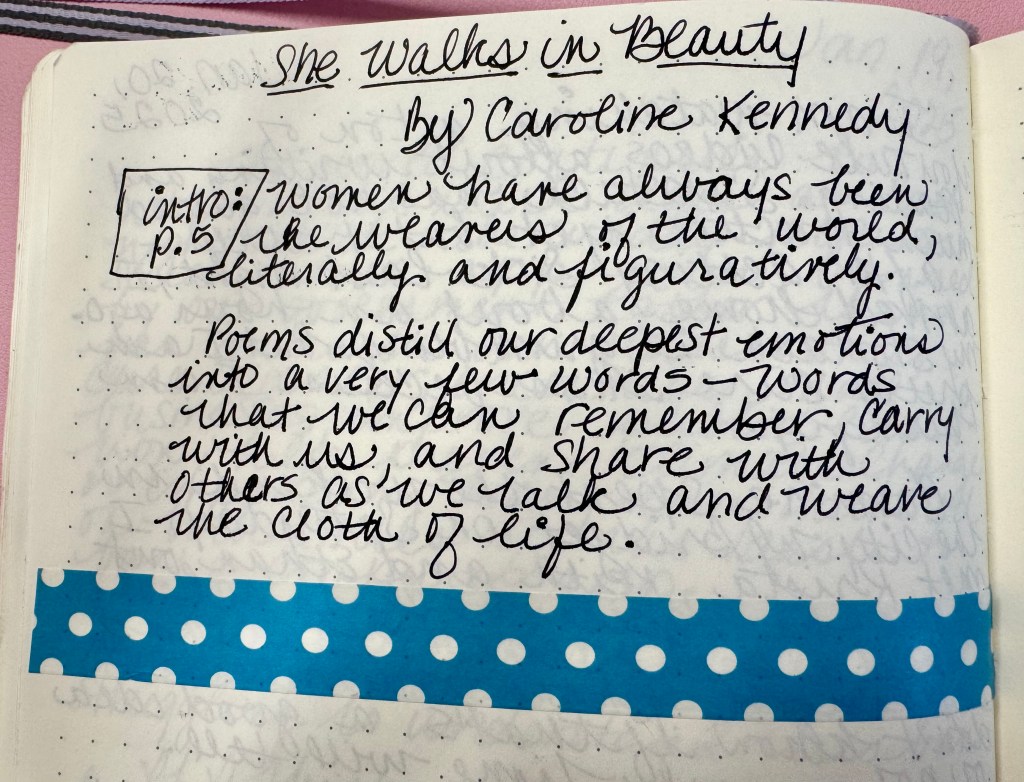
As evidenced by the picture of my notebook above, annotating does not have to be complicated or time-consuming. It can be fun and reveal a creative side of yourself you didn’t realize was there.
So, let’s hand our students a pencil, some sticky notes, or a digital highlighter and invite them to start a conversation with the text. Together, we can help them light up their reading lives—one thoughtful note at a time.
Teaching with Temprano is an Educational Consulting company whose sole purpose is to collaborate, educate, inspire, and provide real-world ELA strategies and lessons you could use tomorrow with your students. Districts that wish to hire me for PLCs or PD workshops email me at teachingwithtemprano@gmail.com
 Teaching with Temprano